
TRAVEL
Seoul Cult Digital
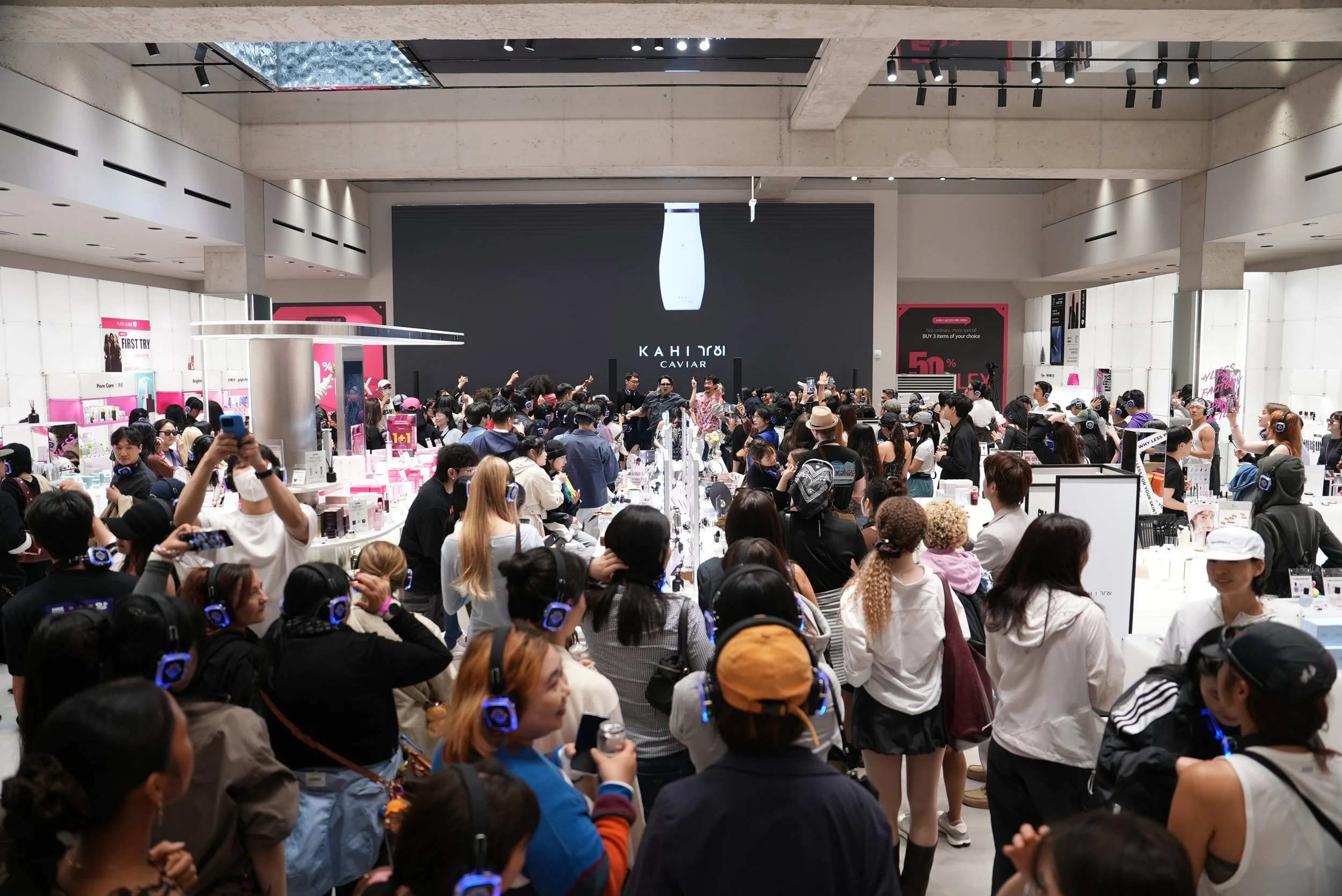
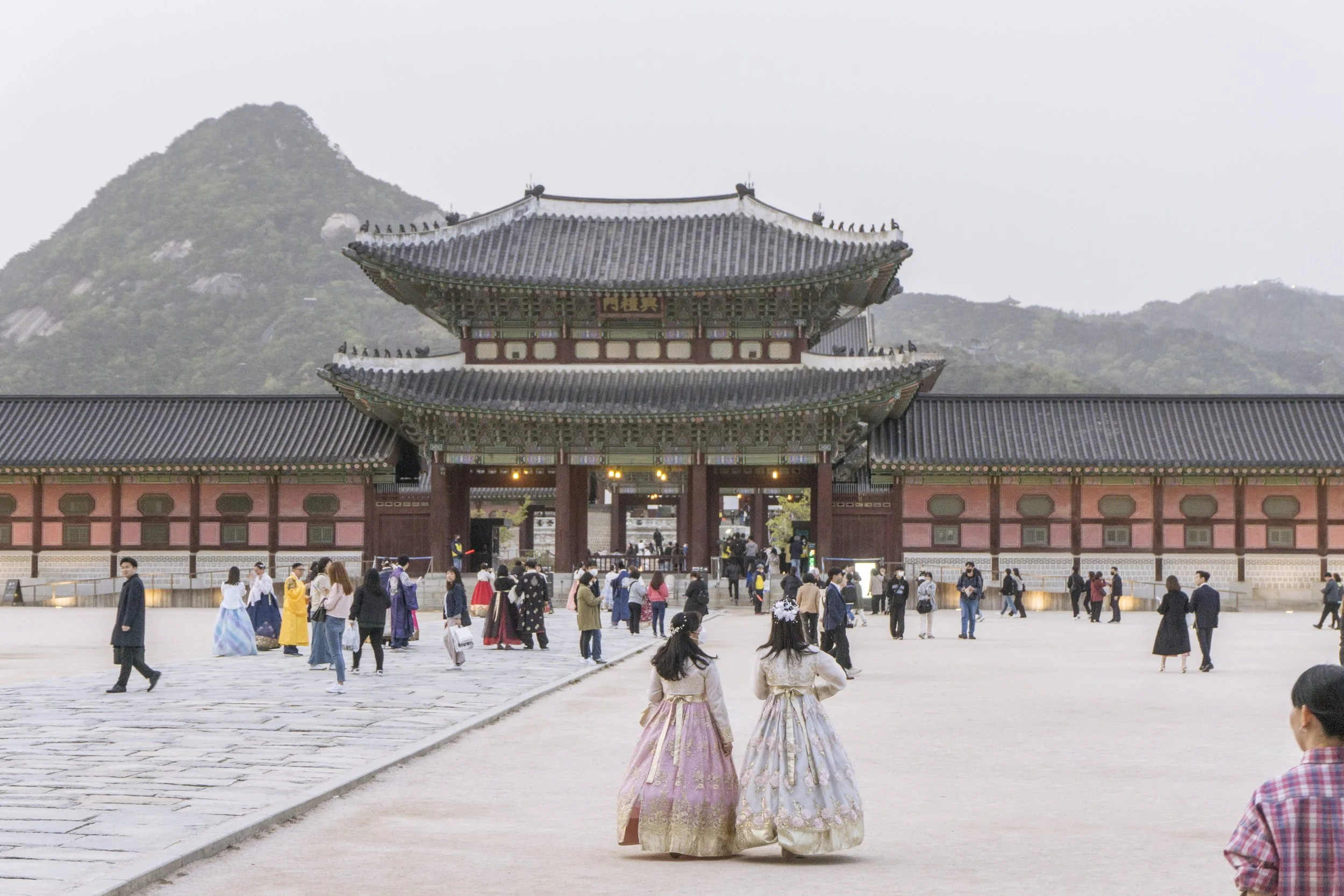
Bukchon Morning Rave: every second Saturday at 8 am, DJ MINJI plays a hanok basement in Seoul, with free coffee, tteokbokki and K-beauty brand Kahi.
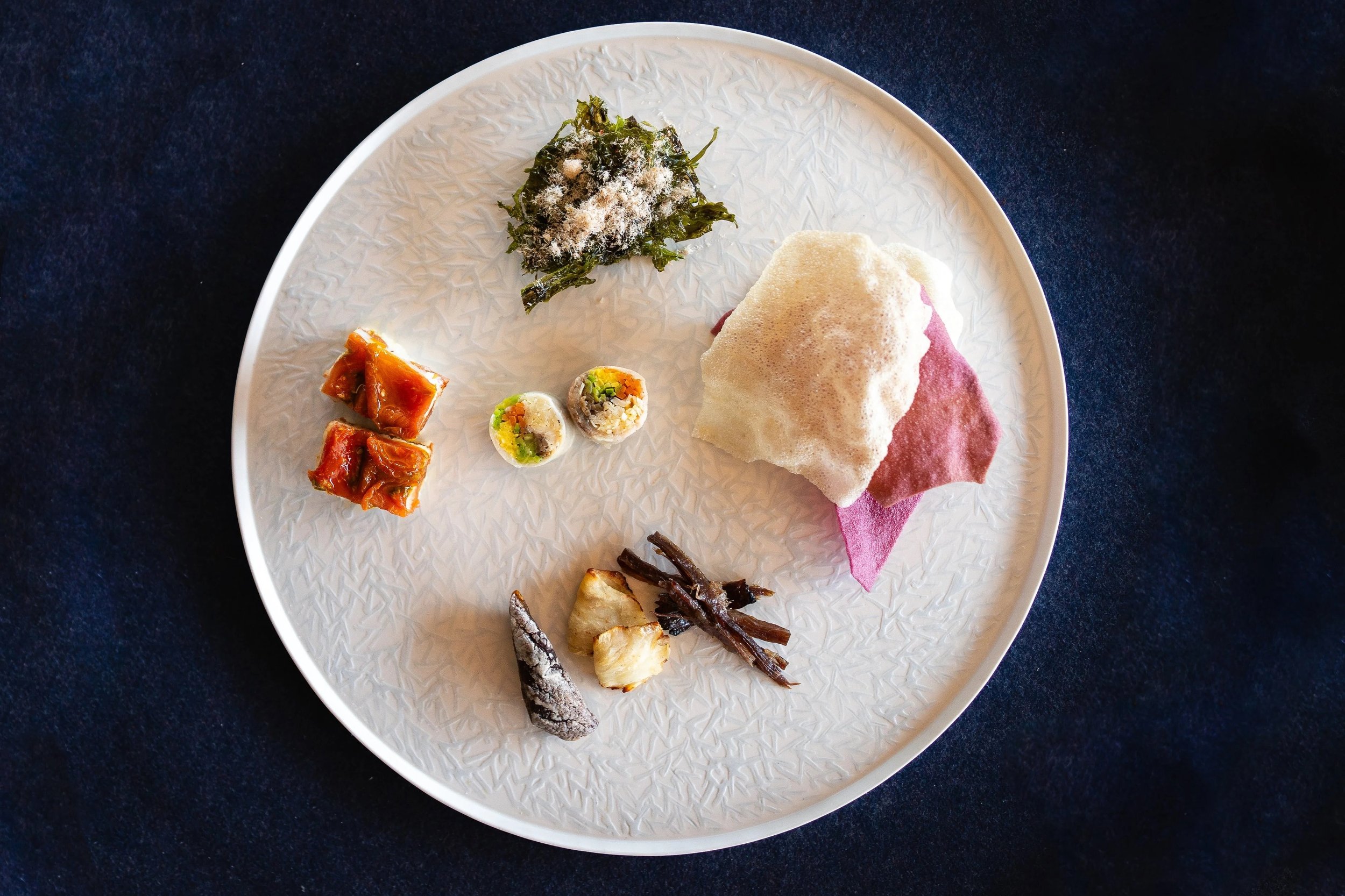
Polish food journalist Małgorzata Minta eats her way through Seoul, from Michelin-starred Onjium by Gyeongbokgung Palace to Korean barbecue and fermented foods.
Gojong, Korea's first and last emperor, drank coffee and ate cold noodles through sleepless nights. A history of naengmyeon and Korea's first likely lifestyle disease.
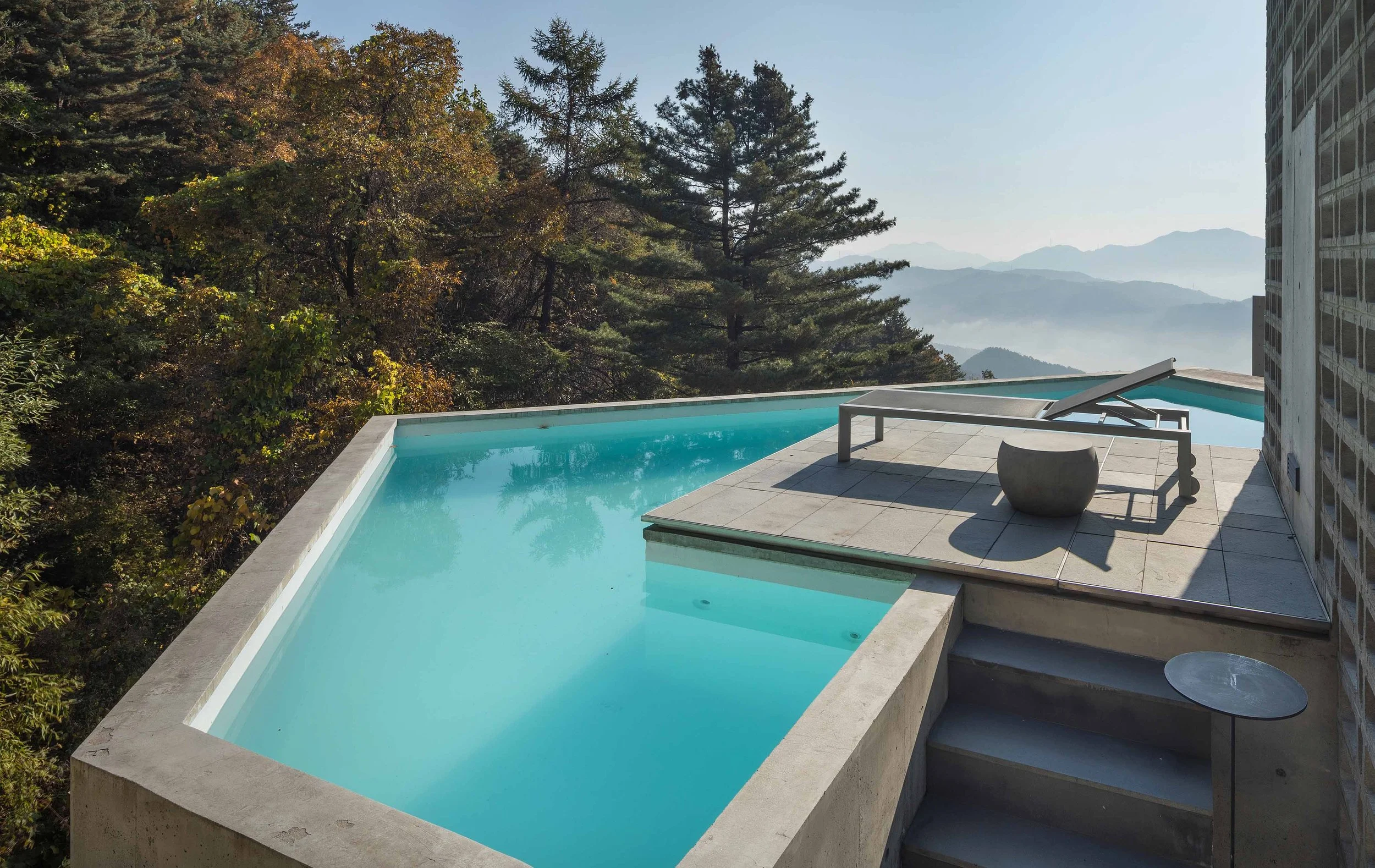
The Memorymaker, a hotel and pool on Homyeong Mountain near Gapyeong, one hour from Seoul, is laid out like a Korean mountain temple. A summer escape from the city.
Seoul drew a record 18.9 million tourists in 2025. Many now come for K-beauty treatments, colour analysis, dance classes and noraebang, the "K-dive" travel trend.
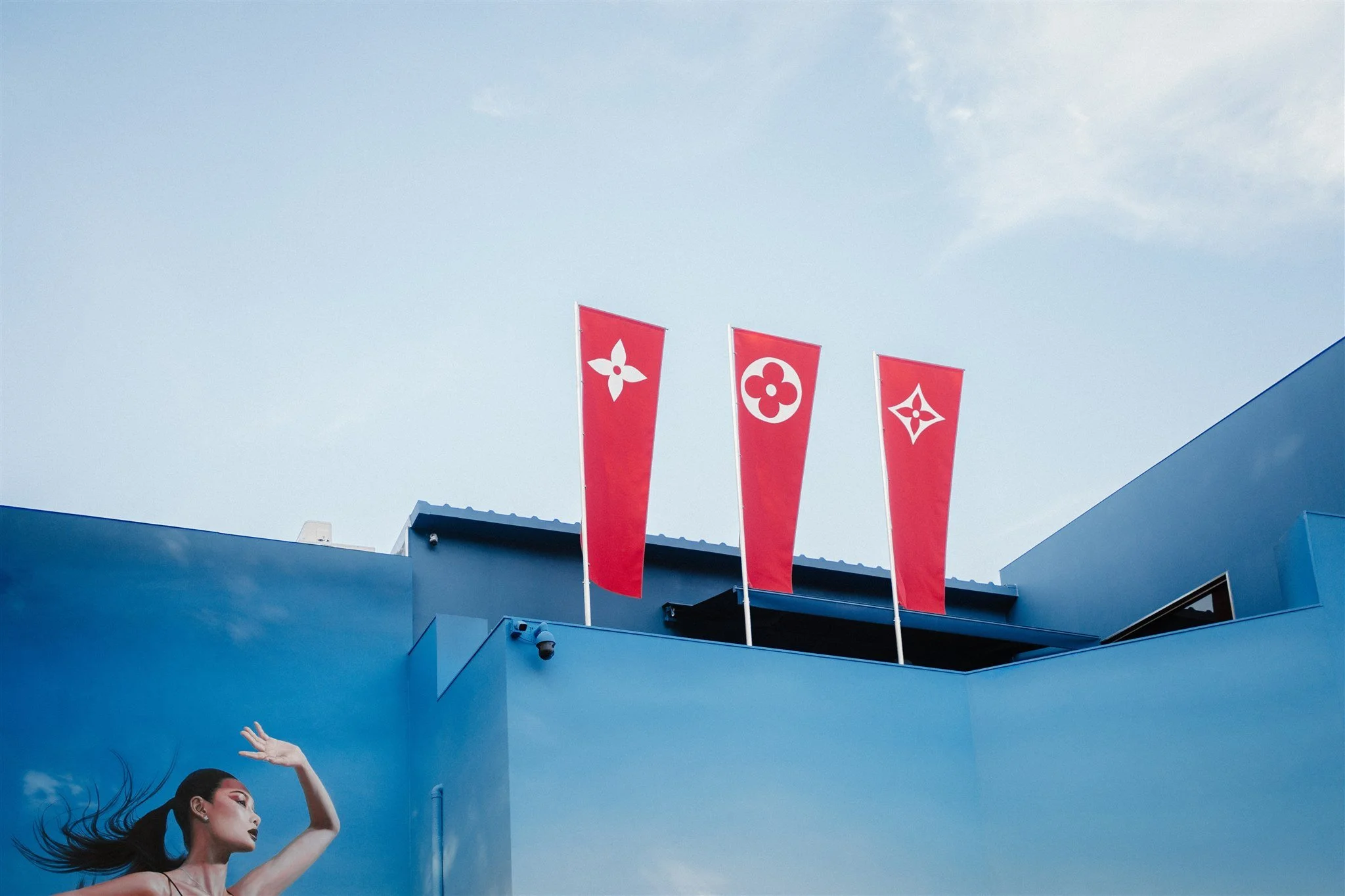
London retail designer Sonia Brown photographs Seoul's boldest stores in Seongsu, Hannam, Sinsa and Bukchon, and explains what makes the city's retail design brave.
“There is a real kind of bravery around Seoul, and I absolutely fell in love with it,” she says.
"It felt so different from their UK shops - it was welcoming, not intimidating as many high-end shops can be," she says. She feels that in Seoul, barriers are being broken down through the staff.
"People we met in Korea were more hosts than sales assistants, and there was a sense of hospitality and welcoming," she remembers.
Superbrands come to Seoul to test. It's completely unlike Europe and the UK, which are very restrictive. In Seoul, you can anything.
"A brand can come to Seoul and do whatever they want; there is a kind of artistic licence to do anything," Sonia says. "Something that doesn't exist elsewhere."
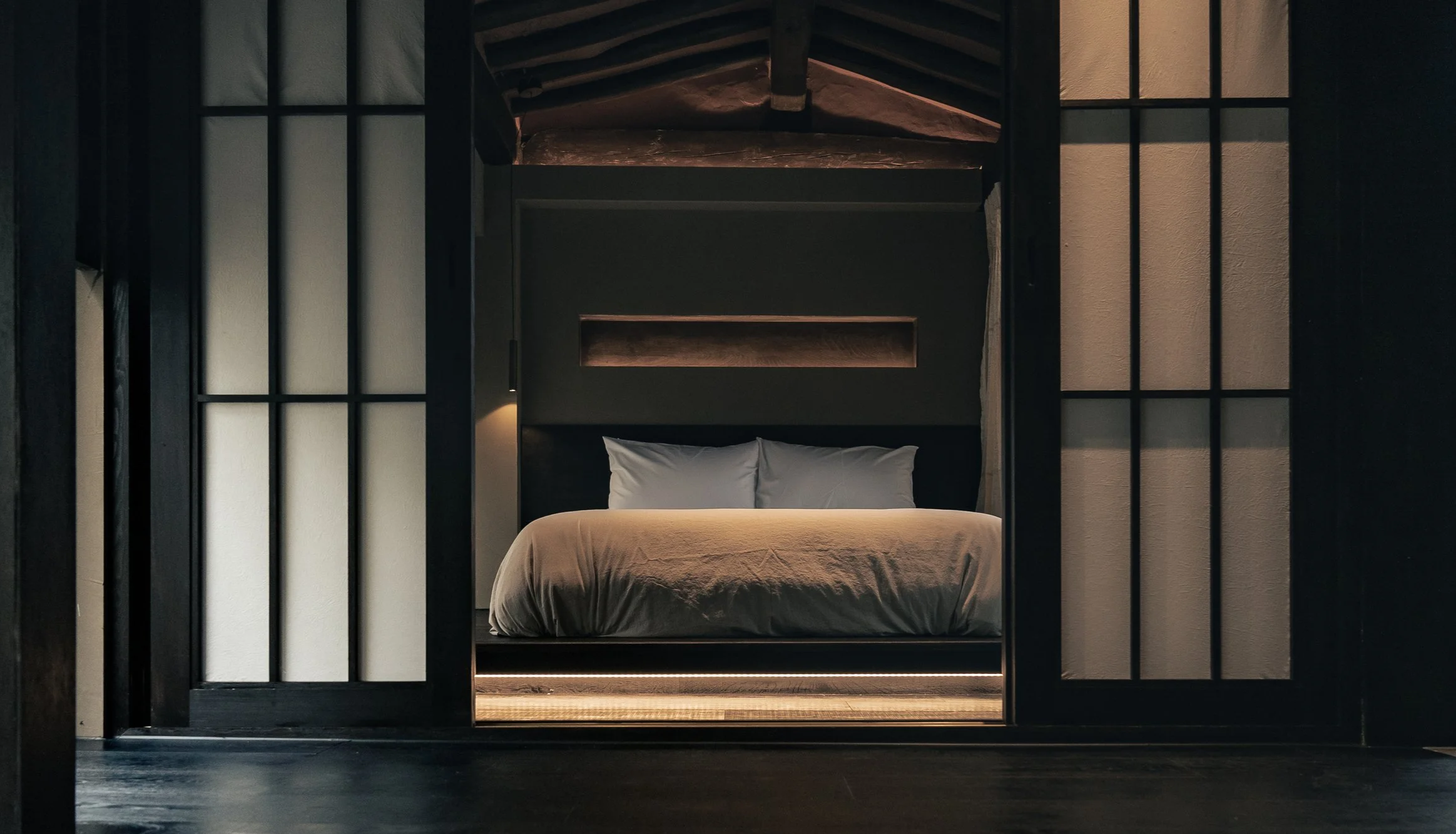
IWA runs a distributed village hotel across restored hanoks in Bukchon and Jongno, Seoul. It has century-old rooms and courtyard baths, and the neighbourhood serves as its lobby.